
Pack smart, stay safe

The Lake District is proud to be an Adventure Smart area, helping you have a great time and stay safe. Before your trip, ask yourself these three simple questions:
Do I have the right gear?
Do I know what the weather will be like?
Am I confident I have the knowledge and skills for the day?
1. Do I have the right gear?
Gear and clothing for walking
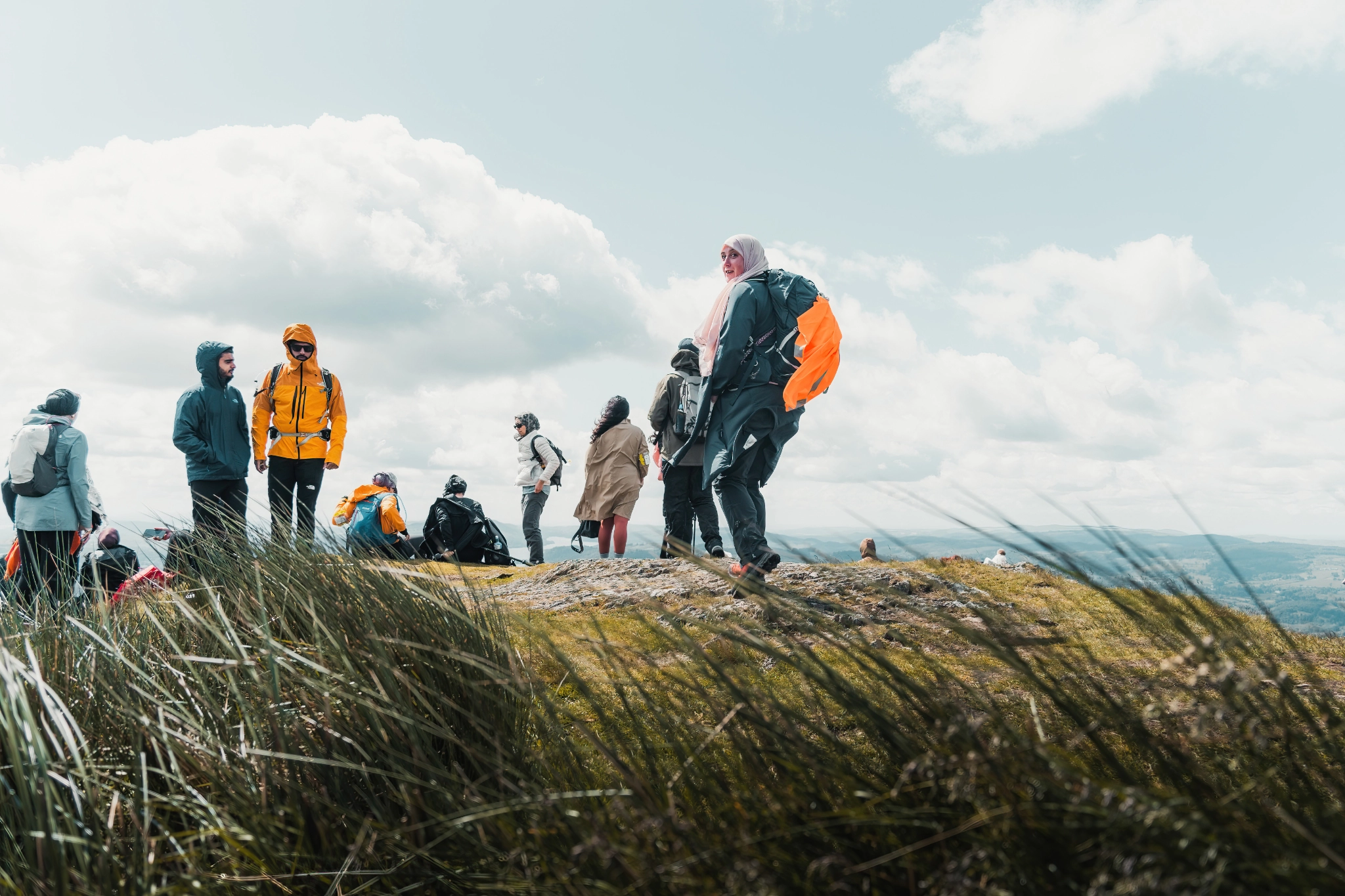
The temperature drops one degree for every 150 metres you ascend. So even if it’s relatively warm in a valley, it can be cold on top of a high ridge with windchill adding to how chilly you feel. If you become stuck or injured, do you have the correct and extra clothing to stay warm?
- Walking boots: Even in summer, fell paths are often very muddy and cross areas of peat bog. We recommend boots rather than walking shoes as boots have a better tread or sole pattern to grip on rocky paths in a way trainers don’t.
- Crampons or spikes: for walking in winter conditions.
- Walking socks: a good breathable pair will help keep feet warm, cosy and comfy.
- Wind and waterproof jacket and over-trousers: be prepared for sudden change in forecast.
- Insulating and breathable layers: it’s easy to cool down quickly while stopping on a walk so pack an extra layer just in case.
- Comfortable trousers: avoid fabric that may take time to dry out, like cotton and denim, as this will keep you cold.
- Hat and gloves: even in summer we recommend you keep these in your rucksack.
- Walking poles: help maintain good balance, reduce stress on knees and backs.
- Gaiters: not essential but useful if you want to keep your trousers and feet dry.
- Comfortable day sack or rucksack: adjusted to fit you and a size to suit the walk.
- Sun protection: protect your skin and eyes.
Map and compass
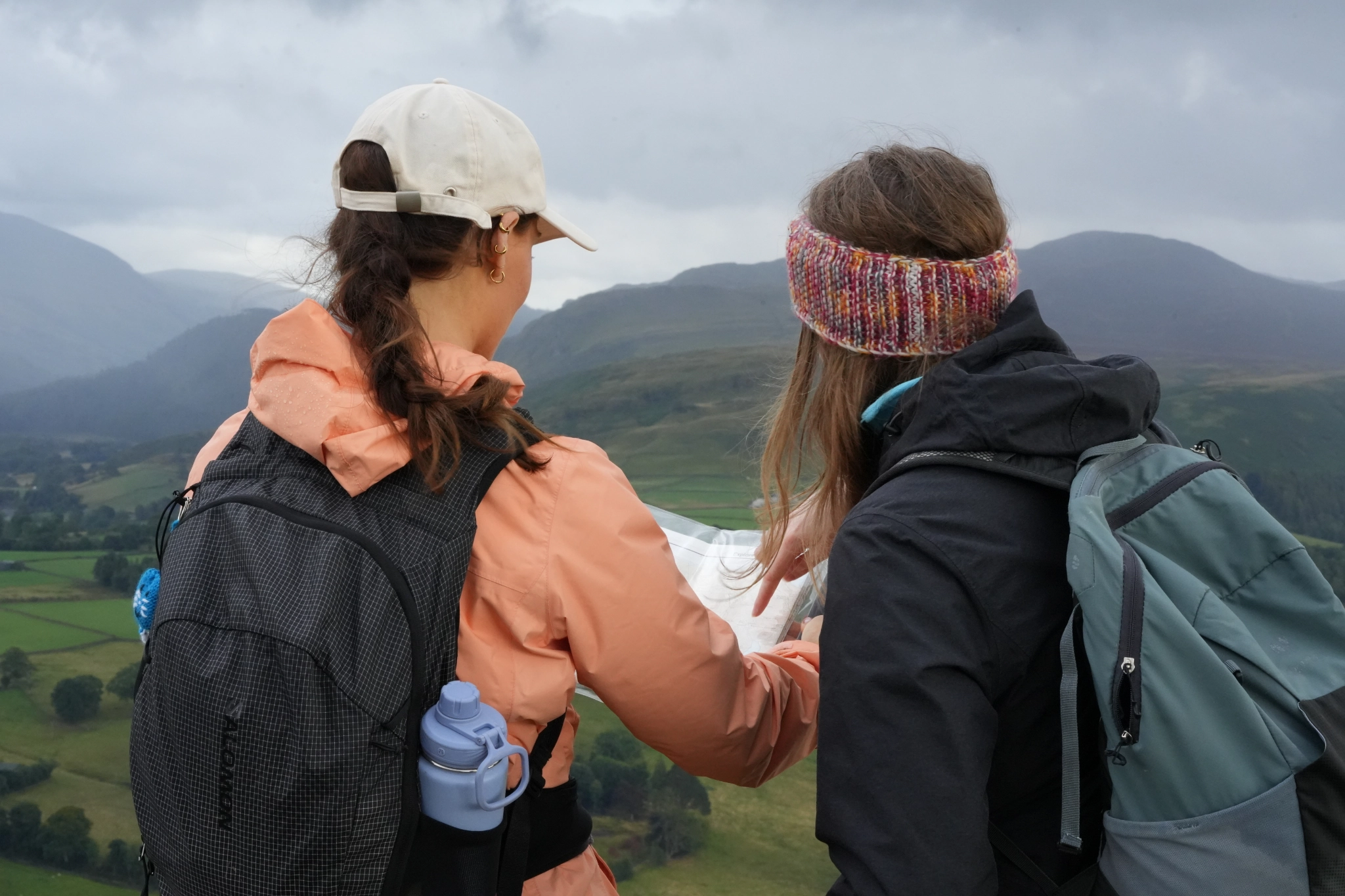
A map and compass are essential pieces of kit to pack for hiking in the fells to stay on track and avoid getting lost. Ordnance Survey (OS) Maps is Great Britain’s national mapping service. You can purchase paper OS maps from many shops in the Lake District for a low price, where staff will be able to offer advice. Ahead of your visit, learn how to read a map and compass.
Phones and portable chargers
Mobile coverage can be patchy with all those mountains getting in the way! But you should be able to pick up signal when you get closer to the larger villages and towns. 4G is also sporadic, so don’t rely on getting signal everywhere you go. You might find the UK Mobile Coverage website useful, to check possible network coverage.
You do not want to become lost and it’s important to text a friend or family member with an update of how you’re doing. Cold temperatures and location tracking will rapidly drain your phone battery. Bring a portable charger and have a back up plan. It’s also a great idea to take a paper map with you, they don’t run out of battery! The British Mountaineering Council have useful tips for using your phone in the mountains.
You also don’t want to miss out on capturing those shots for social media.
Food and supplies
Take plenty of food and drink with you to keep you fuelled and hydrated all day. There are supermarkets in Windermere and Keswick, and smaller convenience stores in places like Ambleside and Grasmere. Do be aware that many stores have shorter opening hours on Sundays, often 10am to 4pm. It’s better to have too much that too little and you should plan to finish your walk with food and drink to spare.
- Emergency food: keep a high energy snack stashed in your pack.

Be prepared for all situations
Emergency situations can be avoided if you’ve planned well. Put these in your pack for added security:
- First aid kit: knowing how to give basic first aid treatment is a useful skill.
- Survival bag or group shelter: survival bags for one person are relatively cheap from outdoor shops and are a lifeline to stay warm in an emergency.
- Whistle and torch: international distress signal: 6 whistle blasts or torch flashes.
- Tell someone where you are going and what time you expect to be back: give them a plan of action before for if you do not return, such as tracking your phone/GPS or contacting the Lake District Search and Mountain Rescue Association.

Gear and clothing for towns and villages
If you’re planning to stroll around the villages and towns, then flat comfortable shoes are a must. Most places have surfaced pavements but check if you’re staying further afield, as many villages have cobbled streets. Often it’s good to wear sturdy shoes and bring a torch for those walks back from the pub in the evening!
Jeans, trainers, a light jumper and a fleece will be fine for most seasons, with a coat and warm hat during autumn and winter. But bare in mind it rains all year round here.
- Flat, comfortable shoes: the sturdier the better.
- Waterproof coat and umbrella: you don’t want to have wet clothes all weekend.
- Warm clothes: always pack more than you think you need.
- Hat and gloves: it can get chilly, even in summer.

Equipment for activities
If you’re heading into or out on the water, make sure you have packed your buoyancy aids and flotation devices. You might also benefit from a wetsuit and wet shoes, most outdoor activity centres will provide these but do check with them before. Bike hire places will usually provide helmets, but again, do be sure to check.
2. Do I know what the weather will be like?
Lake District weather is very unpredictable
Sometimes we can have four seasons in one day! Temperatures can plummet in a summer rain storm, and even on a clear, crisp blue sky winter day, you can still get sunburnt. So it’s best to be prepared.
Learn more about weather in the Lake District and check the Helvellyn Weatherline forecast, which will show you the different temperatures forecast for different points on the fells.
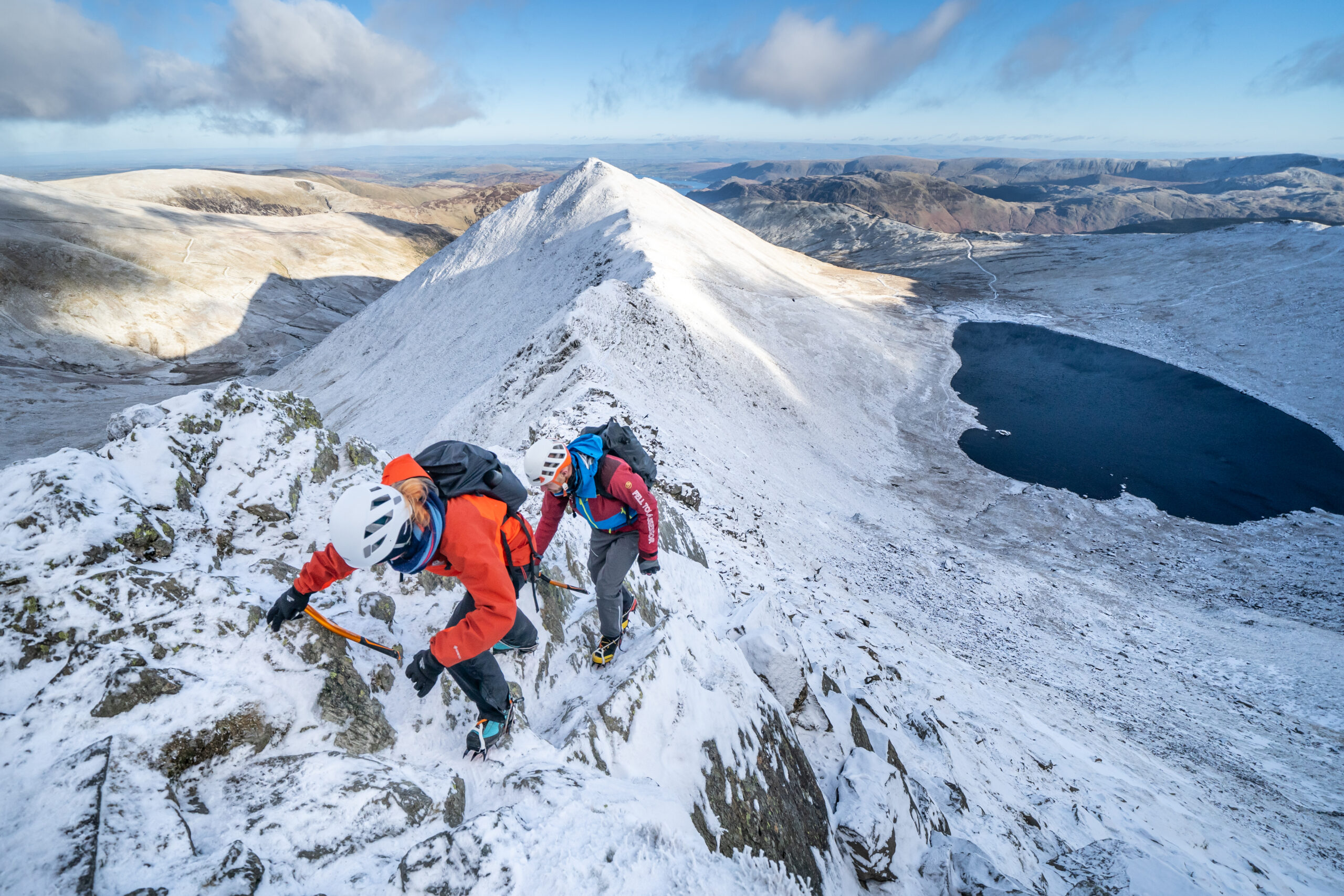
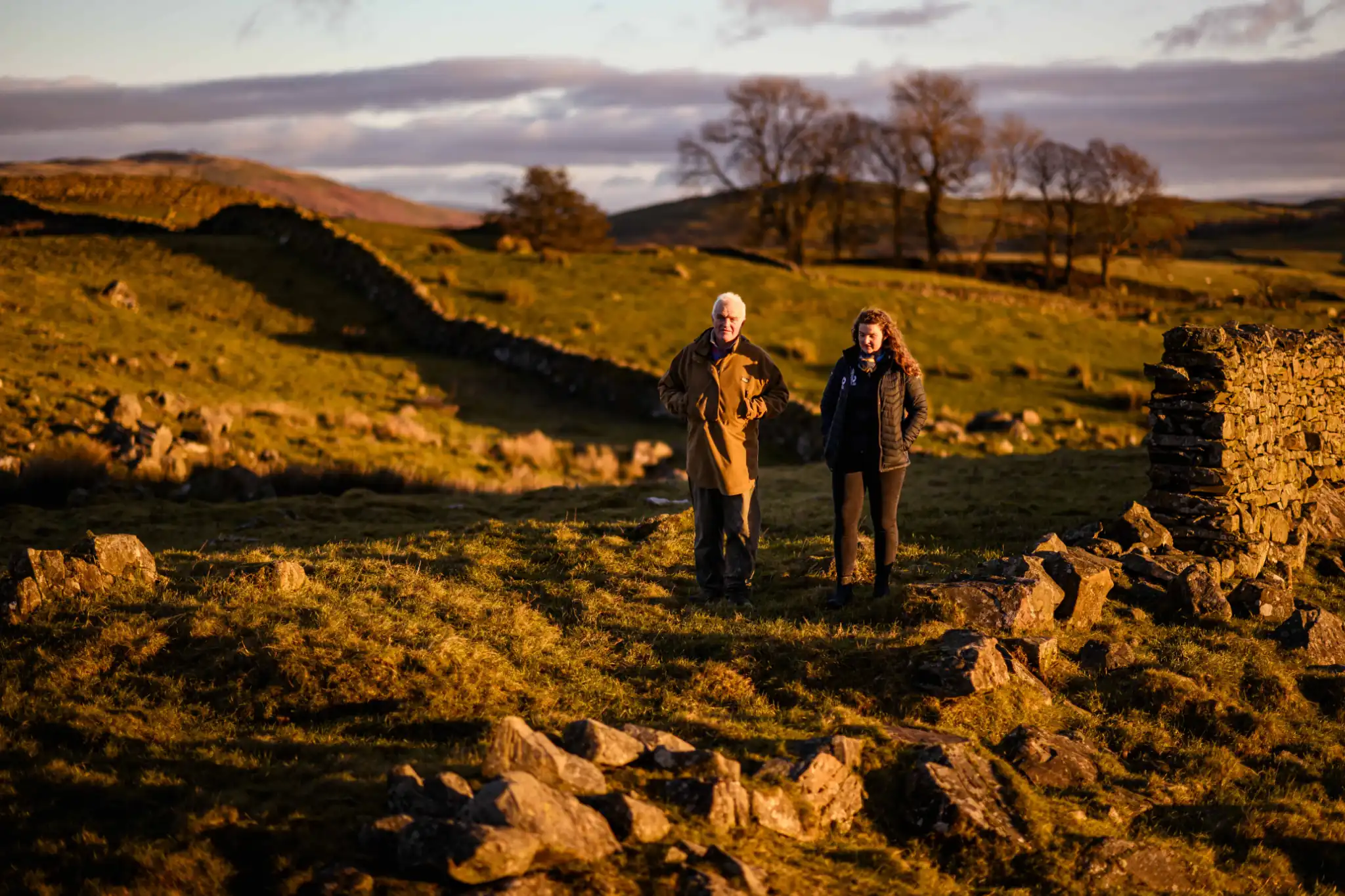
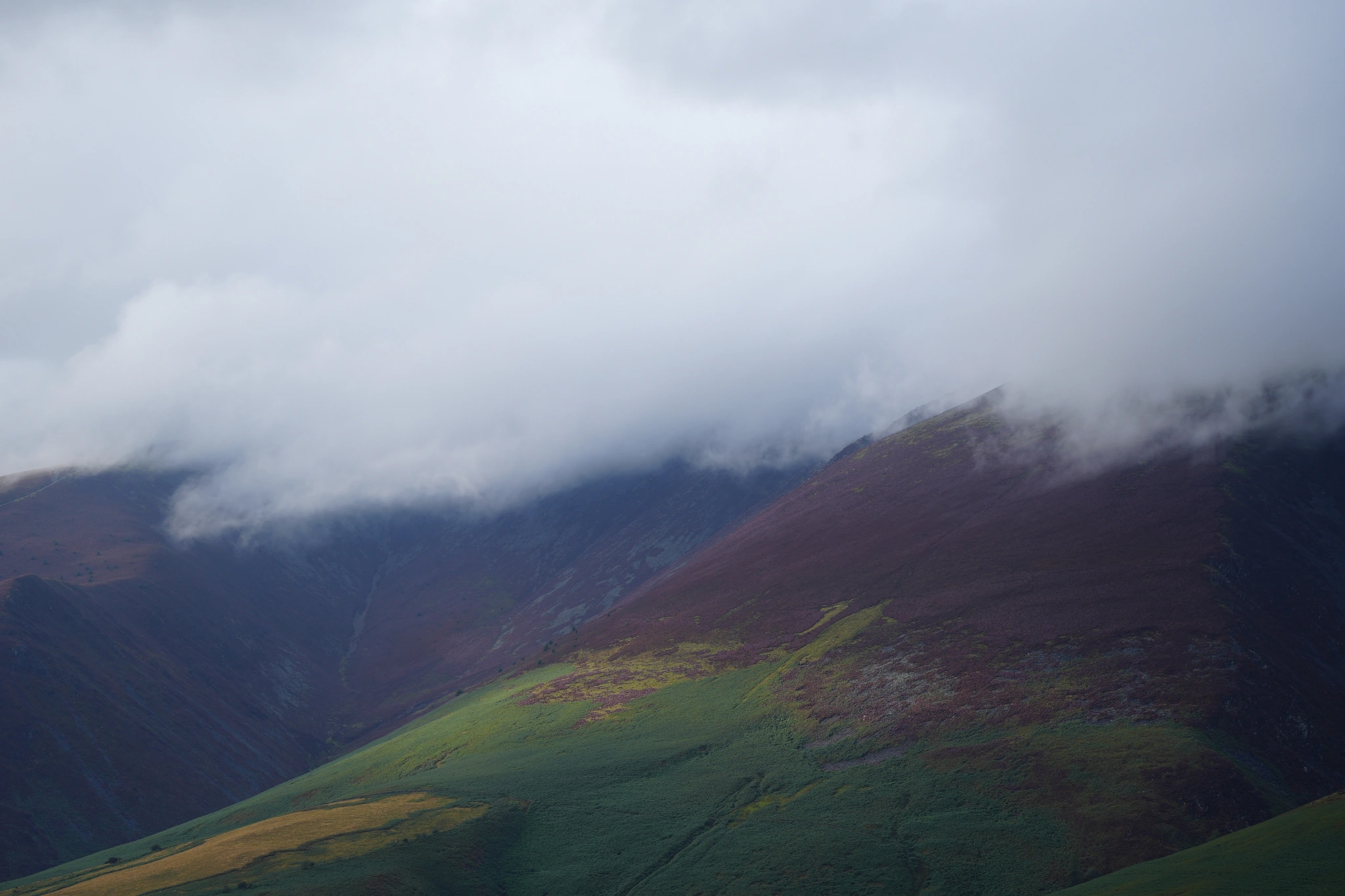
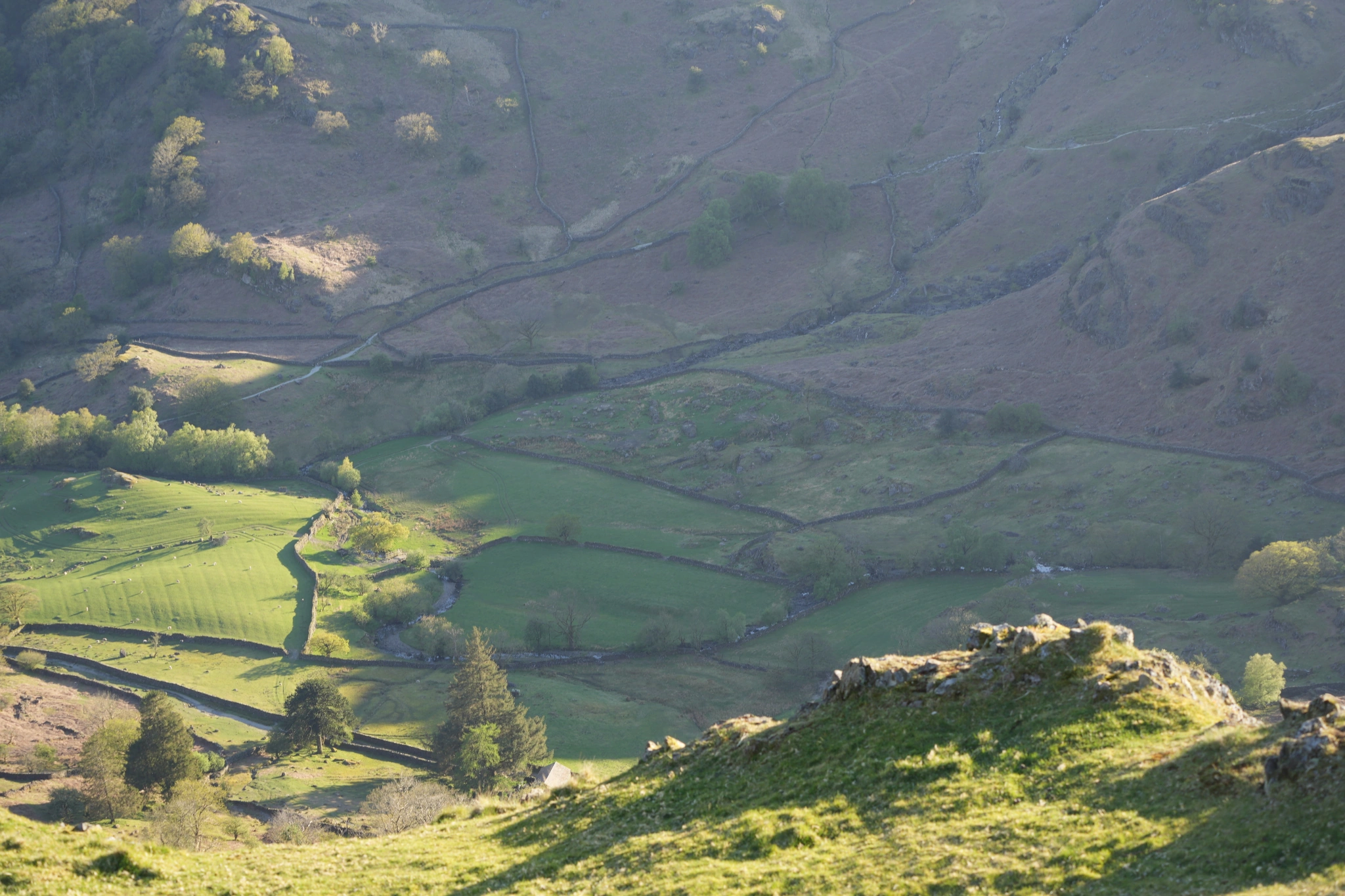
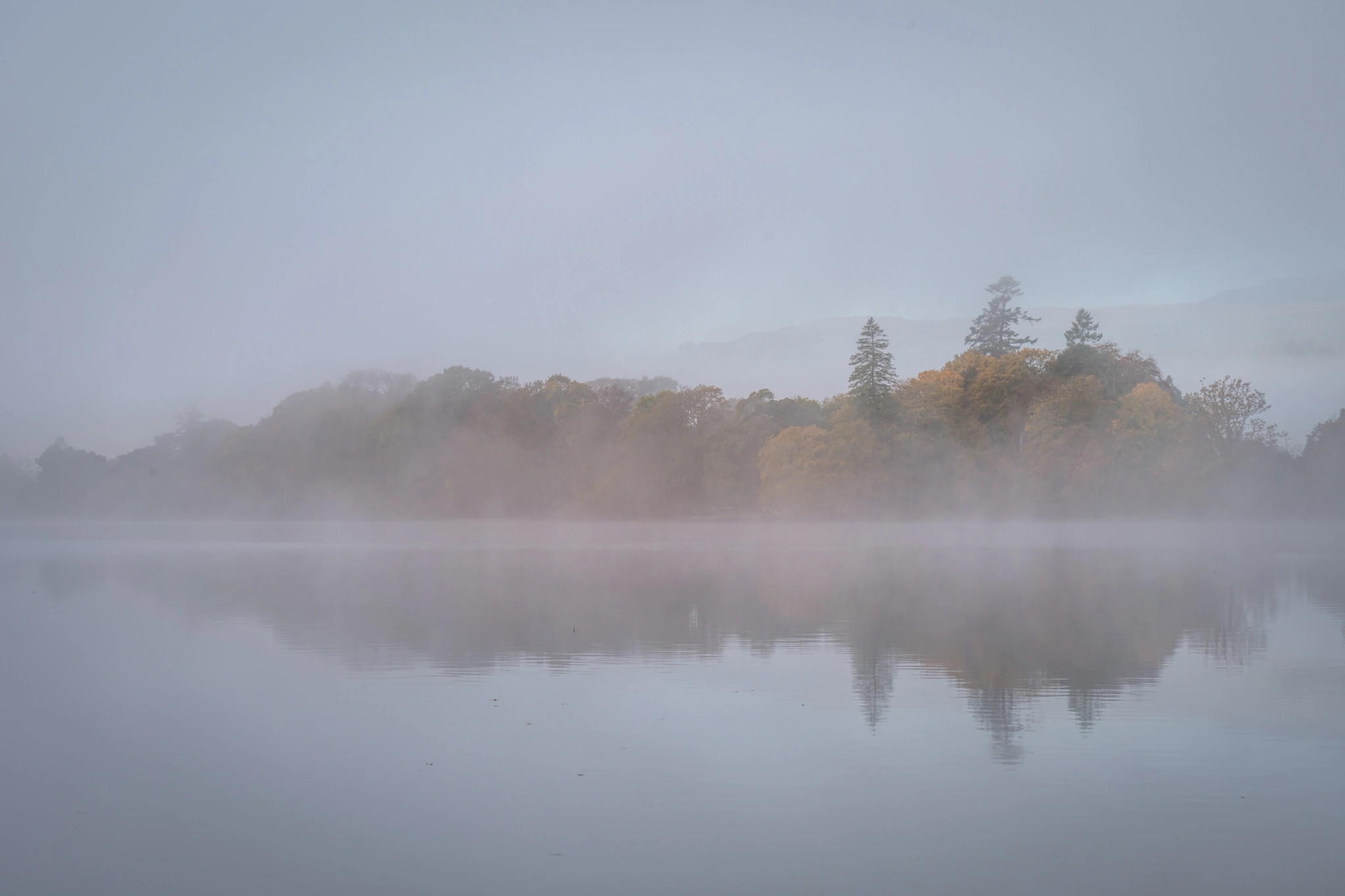
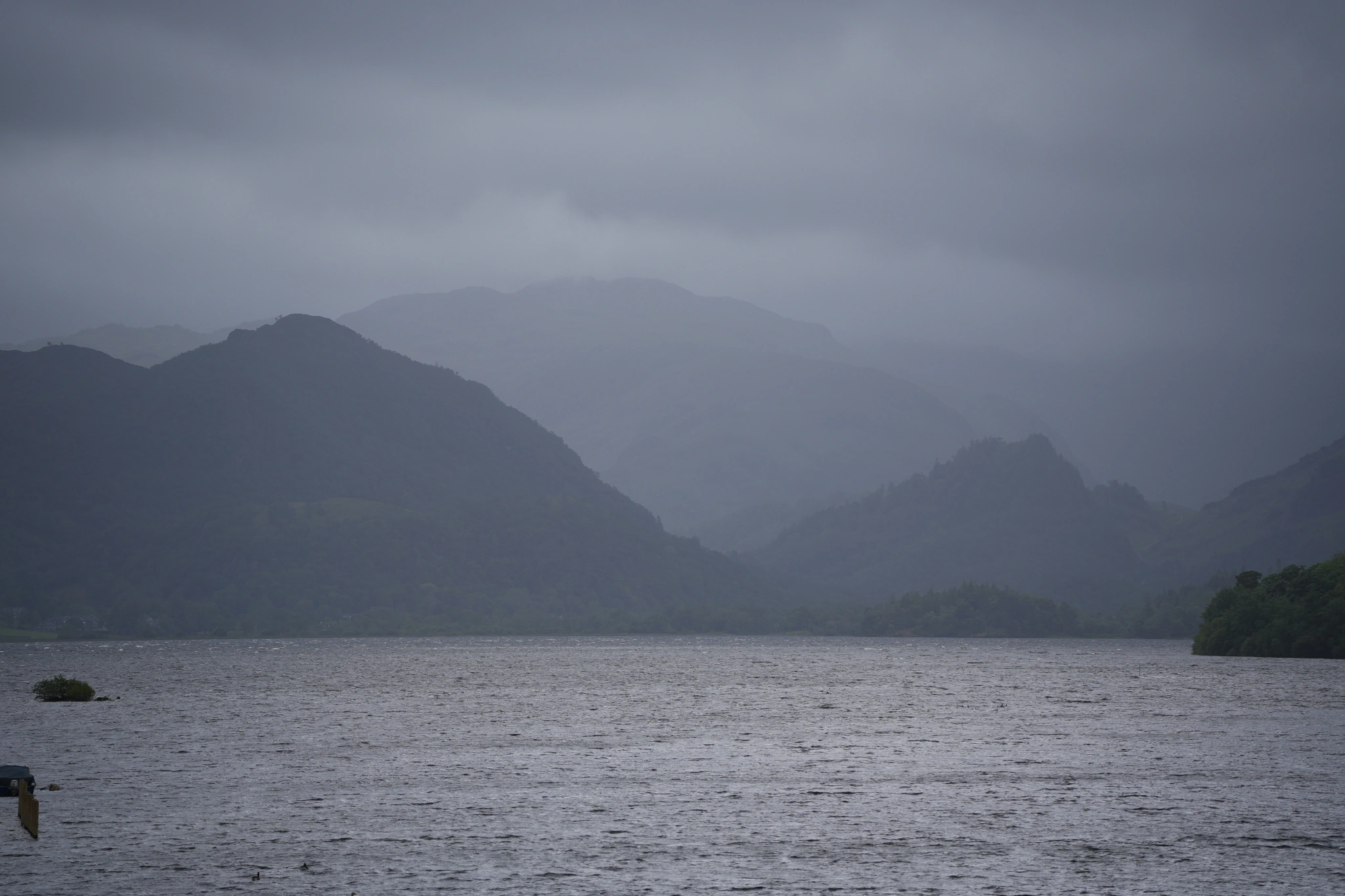
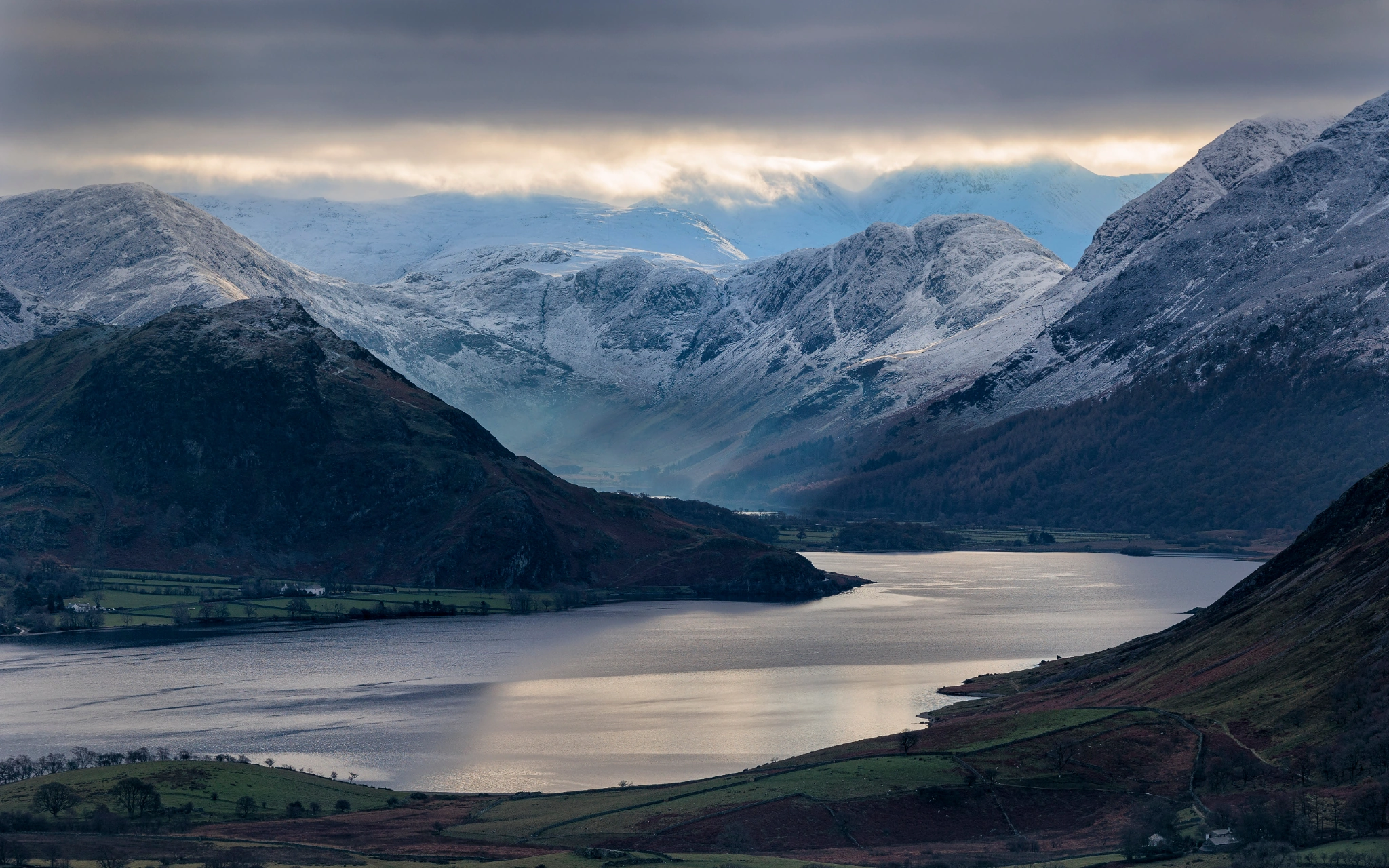
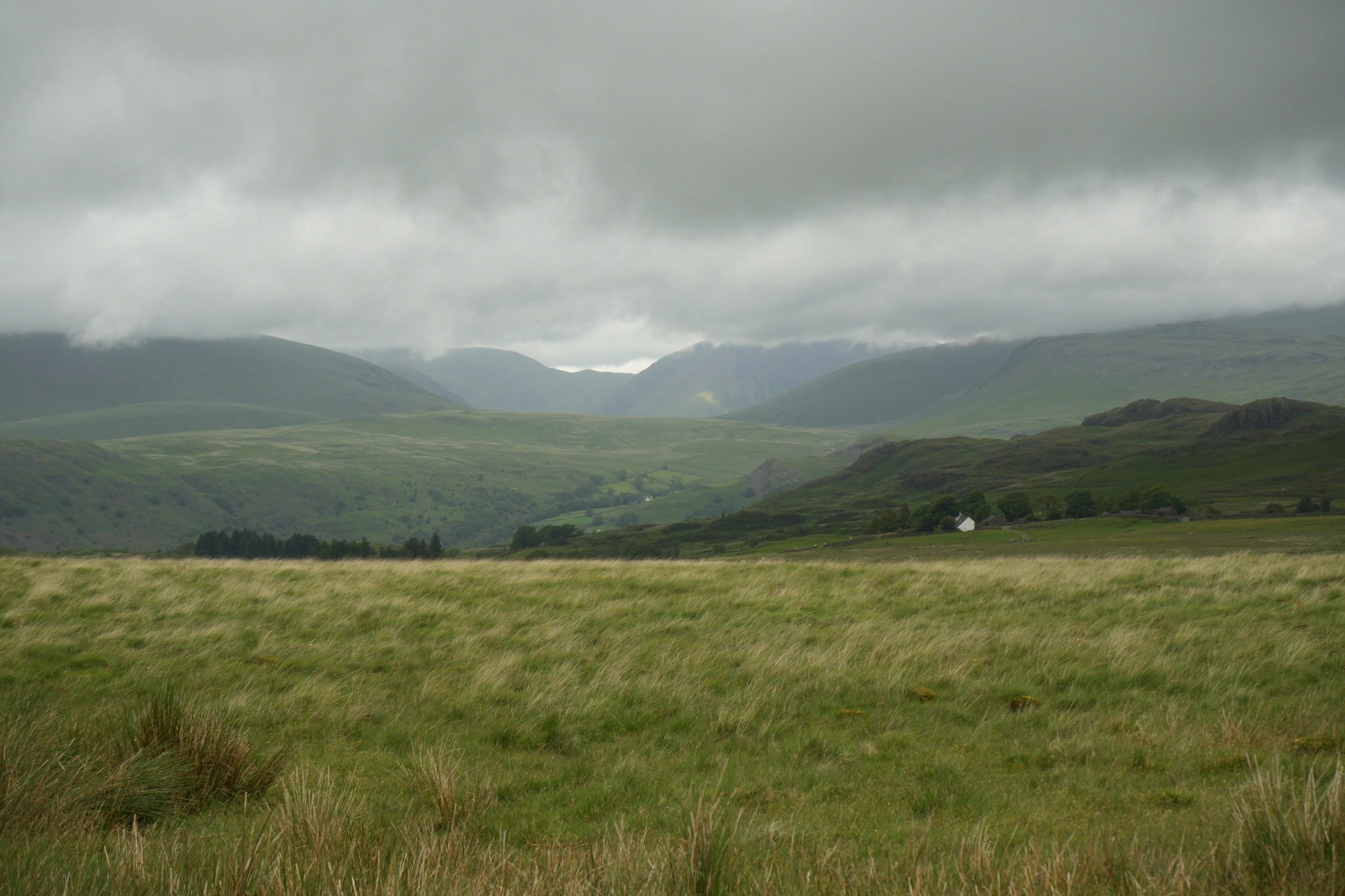
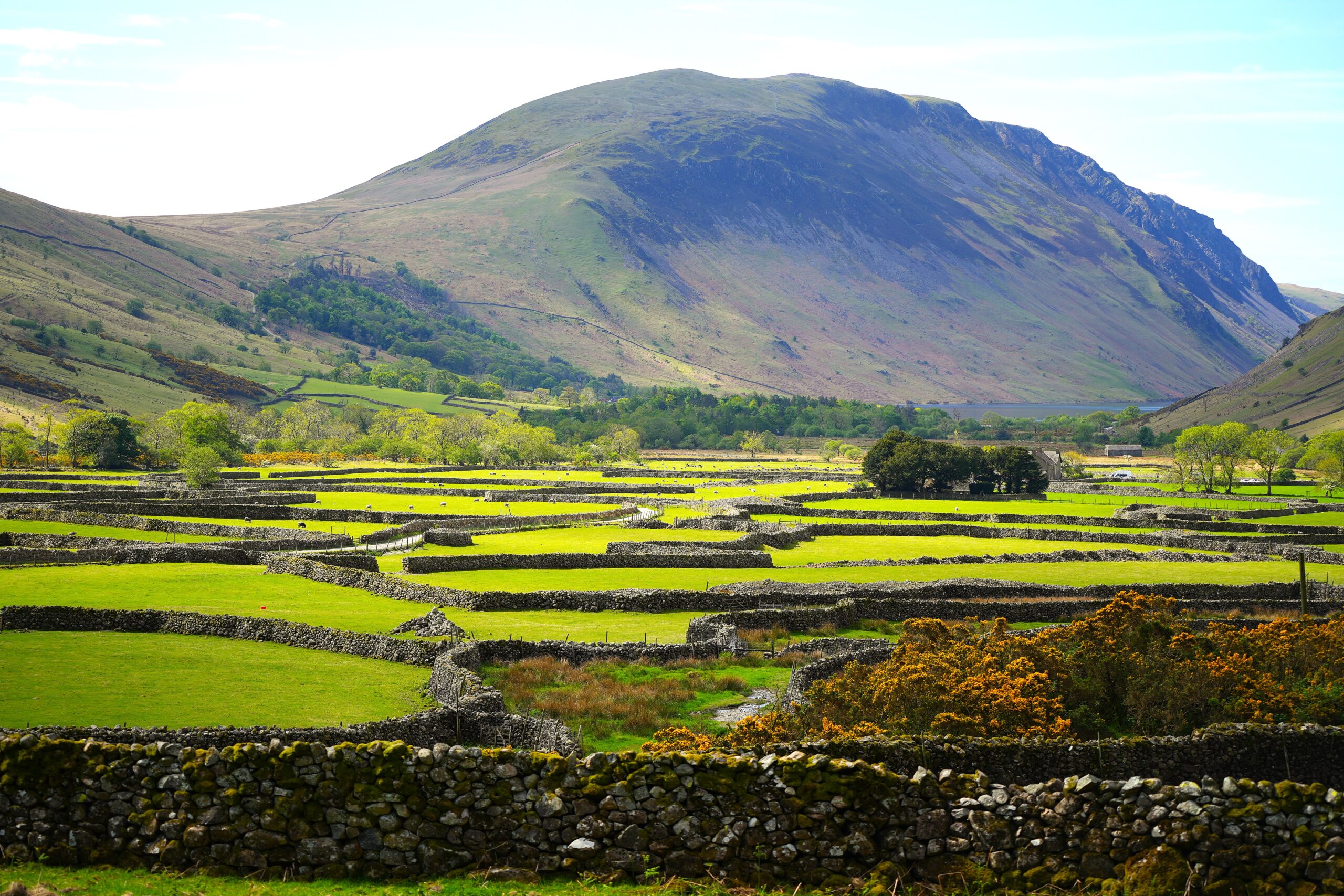
On the images below, you can see the range of weather experienced in the Lake District National Park.
3. Am I confident I have the knowledge and skills for the day?
Know your personal limits
Being Adventure Smart simply means that you are understanding your own experience and skills. Choosing an adventure that you know is within your skillset is part of the fun, and if you want to do something that goes beyond this, there are many ways to find a guide or instructor to help you. Our free guided walks range from easier family-friendly rambles to more challenging long hill walks, and there is something for everyone.
We have 50 Miles without Stiles routes across the National Park. These routes are accessible for those in wheelchairs, on mobility scooters, with pushchairs and children. They’re mostly in low-lying areas, some with stunning lakeshore scenery, and others summit small fells that give big views.
The Countryside Code encourages visitors to respect, protect and enjoy the great outdoors. Through map symbols and signs, it tells you which paths you are allowed to go on, on foot, on bike and on horseback.
This video below, created by the Lake District Visitor Safety Group and Mosaic Outdoors, gives top tips to help everyone who ventures onto the fells and in the lakes to enjoy the Lake District safely.